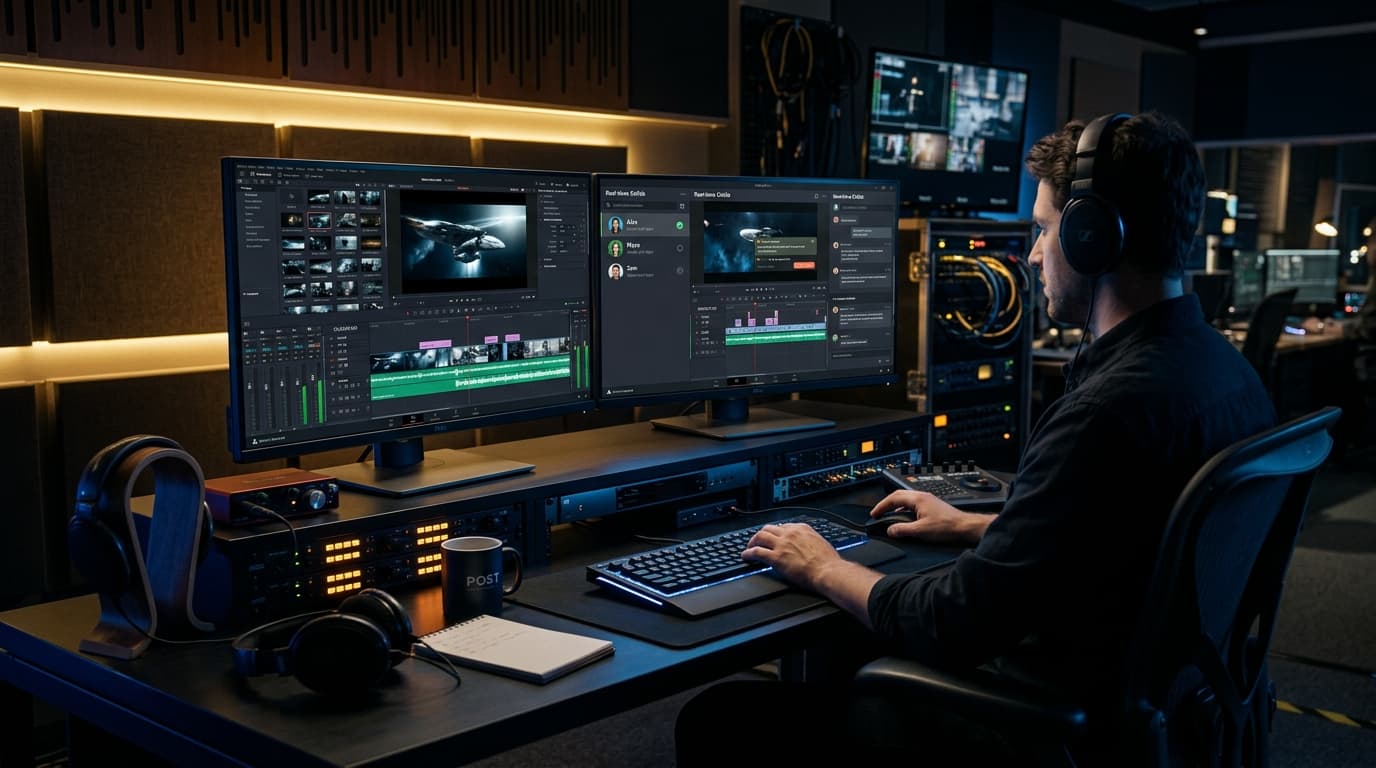
Video editing is a highly creative and technical process, but any editor or agency owner will tell you that the real challenge rarely lies in the timeline itself. The true bottleneck in post-production is often client collaboration.
From vague feedback to endless rendering cycles, managing how clients review and approve videos is often the most frustrating part of the post-production pipeline. If your agency is still relying on messy email threads and expired file-sharing links, you aren't just losing patience—you are losing money.

1. Unstructured Feedback & Timecode Issues
The Pain Point: Vague instructions without context
Clients frequently send feedback like, "Make the middle part a bit darker," or "Can we change the music where she walks in?" without providing specific timecodes or exact frames. This forces editors to guess, leading to inaccurate adjustments and additional revision cycles.
2. Lack of Real-Time Sync & Direction
The Pain Point: Asynchronous review cycles kill momentum
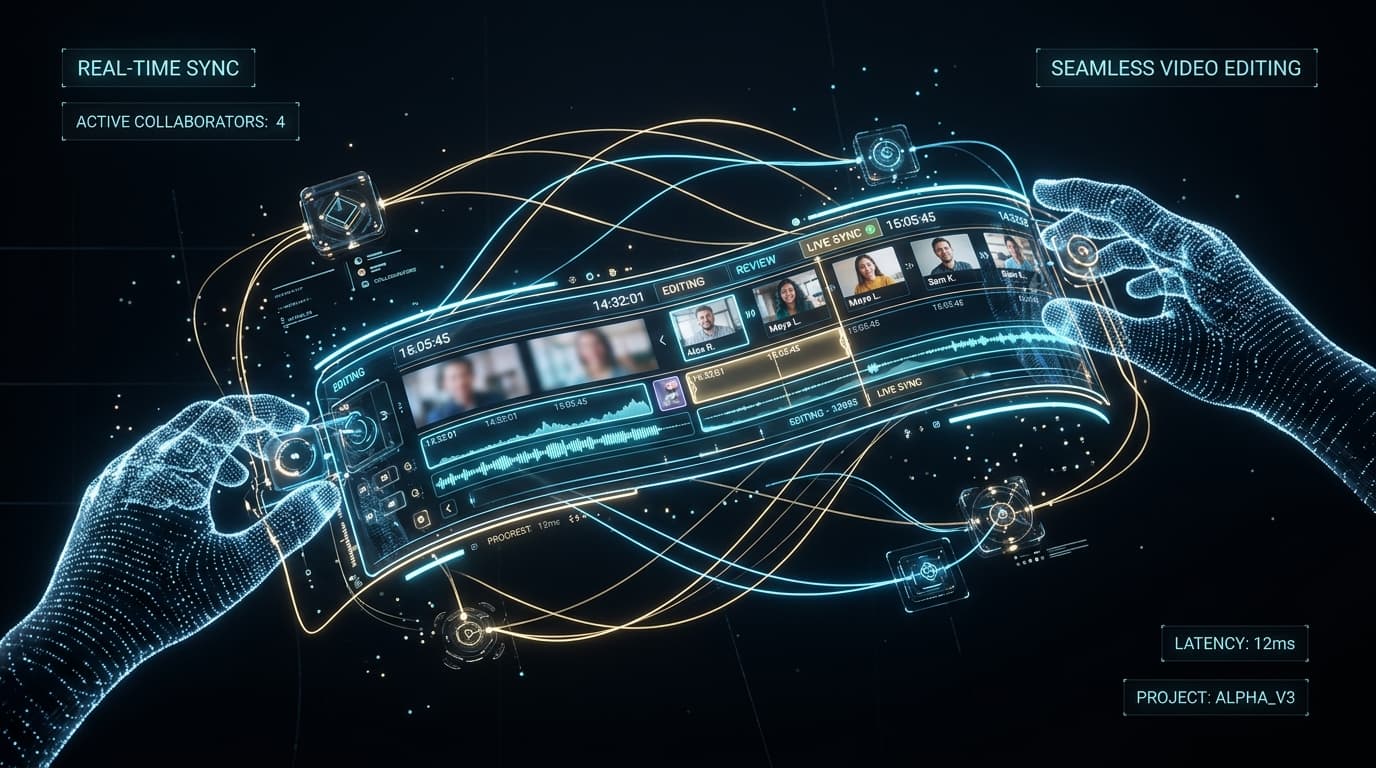
The traditional review cycle is brutally slow: render the video → upload it → wait for the client to download it → wait for their feedback → apply changes → repeat. The inability to make instant, collaborative decisions is a massive bottleneck for high-stakes broadcast or commercial projects.
3. Version Control Chaos
The Pain Point: Reviewing outdated files
Promo_Final, Promo_Final_v2, Promo_Actual_Final_v3. We have all been there. Without a centralized system, file naming becomes a guessing game. Clients often review outdated file versions, sending feedback for issues that have already been fixed by the editor.
4. Scattered Communication Channels
The Pain Point: Crucial details lost in the noise
The initial brief lives in a Google Doc, the primary feedback is in an email thread, and urgent Friday-night changes are sent via WhatsApp. When communication is scattered across platforms, crucial details fall through the cracks, leading to miscommunication and costly errors.
5. Large File Transfer Bottlenecks
The Pain Point: Storage limits and expired links
Sharing raw footage or high-resolution ProRes render files means battling third-party storage limits (like Google Drive) or dealing with expired transfer links. Nothing frustrates a client more than clicking a link to review a project only to find out it has expired.

6. Manual QC & Subtitle Errors
The Pain Point: Embarrassing delivery glitches
Relying purely on the human eye for final delivery checks often results in minor but embarrassing errors—like slightly out-of-sync SRT files or audio clipping. Catching these mistakes at the client-review stage damages the agency's professional reputation.
Stop Managing Chaos. Start Creating.
Your post-production team was hired to be creative, not to manage administrative chaos. By upgrading to a dedicated operations platform that tackles feedback, live review, file storage, and automated QC in one place, you can protect your margins and deliver a world-class client experience.
Rendorax Studio supports production companies, agencies, broadcasters, and content teams with professional broadcast post-production workflows, real-time review, automated quality control, and seamless client delivery.
Transform Your WorkflowFAQ
Why is client collaboration so difficult in video editing?
Video is a visual and temporal medium. When clients try to describe visual changes using text-based emails without precise timecodes, it leads to misinterpretation, endless revision cycles, and frustration for both the client and the editor.
What is frame-accurate commenting?
Frame-accurate commenting allows clients to click directly on a video player and leave a comment that is locked to that exact frame (e.g., 00:01:23:14). This eliminates guesswork for the editor and ensures feedback is implemented correctly the first time.
How does real-time timeline direction work?
Using technologies like WebRTC (which Rendorax utilizes), editors can stream their live NLE timeline (like Premiere Pro or Resolve) directly to a client's browser with near-zero latency. Clients can direct changes live, completely skipping the render-and-upload cycle.
How do you solve large file transfer problems?
Instead of relying on consumer apps with bandwidth limits or expiring links, professional post-production platforms use enterprise cloud infrastructure (like Cloudflare R2) to provide secure, persistent, and fast access to large video files directly within the project workspace.